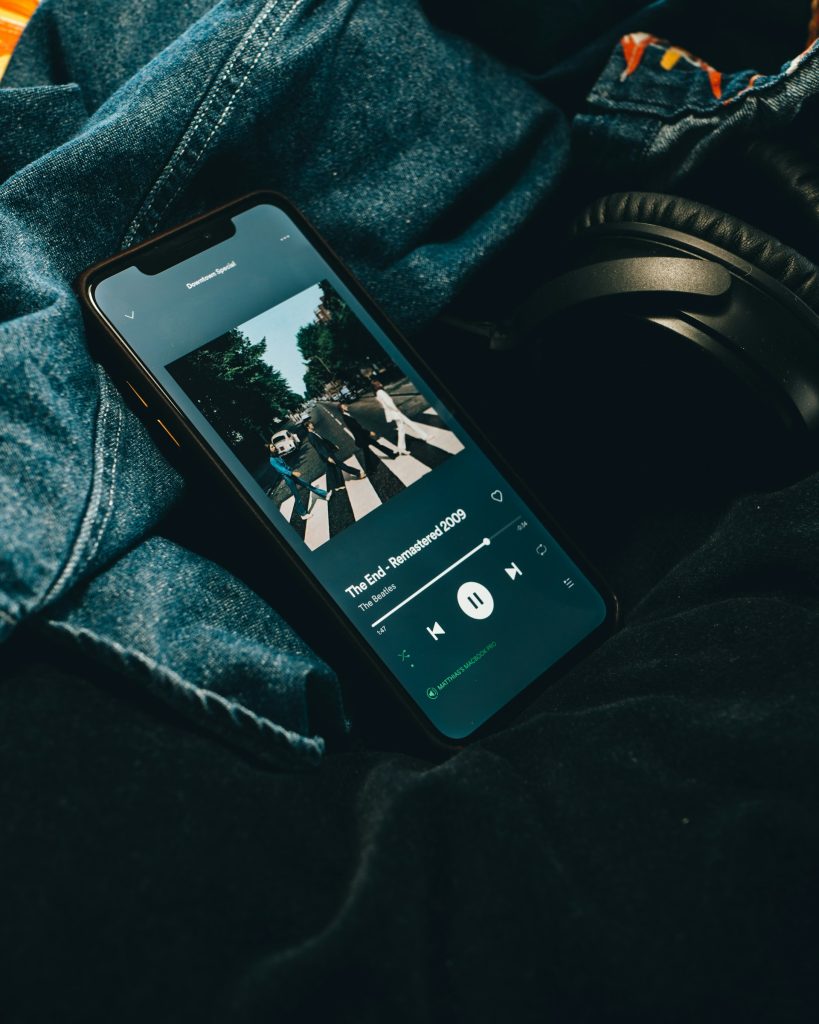

Di era ketika perhatian jadi mata uang paling mahal, Spotify tampaknya makin serius memastikan setiap detik yang kita habiskan di aplikasinya benar-benar terasa “worth it”—bukan sekadar background noise sambil scroll tanpa arah.
Terbaru, platform streaming asal Swedia ini memperkenalkan kontrol video baru yang memberi pengguna kuasa lebih besar dalam mengatur bagaimana mereka menikmati konten—mau tetap fokus ke audio, atau menambahkan layer visual yang lebih imersif.
Kontrol di Tangan, Bukan di Algoritma Saja
Kalau selama ini Spotify dikenal lewat personalisasi seperti Taste Profile, Prompted Playlist, hingga Smart Filters, kini pendekatannya makin jelas: bukan cuma pintar merekomendasikan, tapi juga memberi kendali penuh ke pengguna.
PR 4.0: Mengelola Persepsi di Era Digital
Dan ternyata, ini bukan sekadar gimmick fitur. Survei global oleh Burson terhadap 8.400 responden menunjukkan:
- 93% pengguna ingin lebih banyak kontrol
- 92% merasa Spotify membantu mereka lebih dekat dengan hal yang mereka sukai
Singkatnya: orang ingin kurasi, tapi tetap mau pegang remote-nya sendiri.
Dari Passive Scrolling ke Intentional Listening
Di tengah budaya doomscrolling yang makin brutal, Spotify mencoba mengambil posisi berbeda: pengalaman yang lebih “sengaja”, bukan kebetulan. Apalagi untuk Gen Z—menurut riset Edison Research, sebanyak 86% dari mereka mendengarkan musik atau podcast untuk memperbaiki mood. Jadi ini bukan sekadar hiburan; ini semacam self-regulation tool.
Dari Redaksi ke Algoritma: Media Kehilangan Kuasa di Era Digital, Bagaimana Merebutnya?
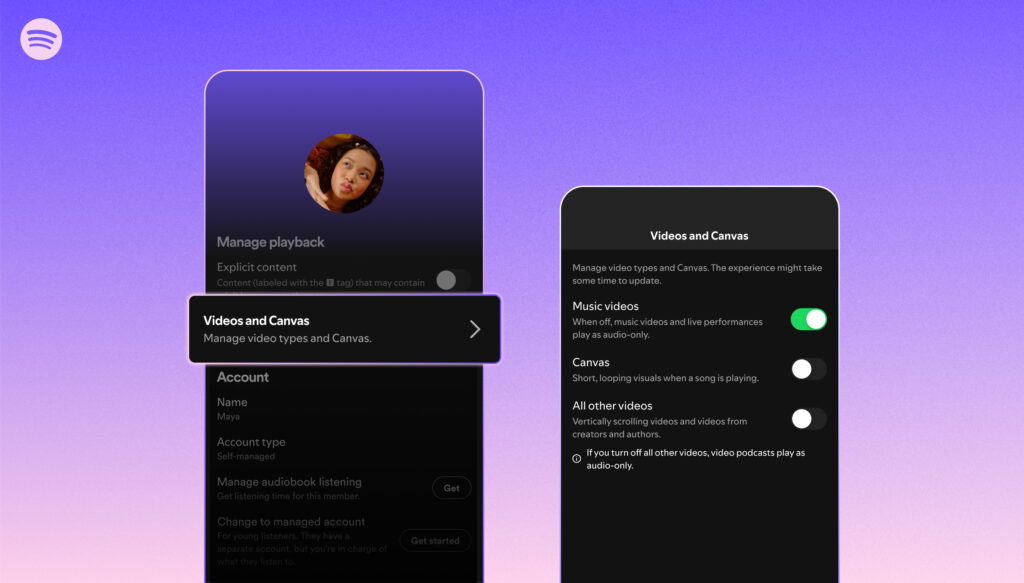
Dengan kontrol video baru, pengguna bisa:
- Mematikan visual looping Canvas
- Menghilangkan video di podcast atau musik
- Atau justru menikmati pengalaman audiovisual yang lebih kaya
Semua bisa diatur lewat menu sederhana: Settings → Content and display
Playbook: Strategi Bisnis Konglomerat yang Tak Diajarkan di Sekolah Formal
PakarPBN
A Private Blog Network (PBN) is a collection of websites that are controlled by a single individual or organization and used primarily to build backlinks to a “money site” in order to influence its ranking in search engines such as Google. The core idea behind a PBN is based on the importance of backlinks in Google’s ranking algorithm. Since Google views backlinks as signals of authority and trust, some website owners attempt to artificially create these signals through a controlled network of sites.
In a typical PBN setup, the owner acquires expired or aged domains that already have existing authority, backlinks, and history. These domains are rebuilt with new content and hosted separately, often using different IP addresses, hosting providers, themes, and ownership details to make them appear unrelated. Within the content published on these sites, links are strategically placed that point to the main website the owner wants to rank higher. By doing this, the owner attempts to pass link equity (also known as “link juice”) from the PBN sites to the target website.
The purpose of a PBN is to give the impression that the target website is naturally earning links from multiple independent sources. If done effectively, this can temporarily improve keyword rankings, increase organic visibility, and drive more traffic from search results.