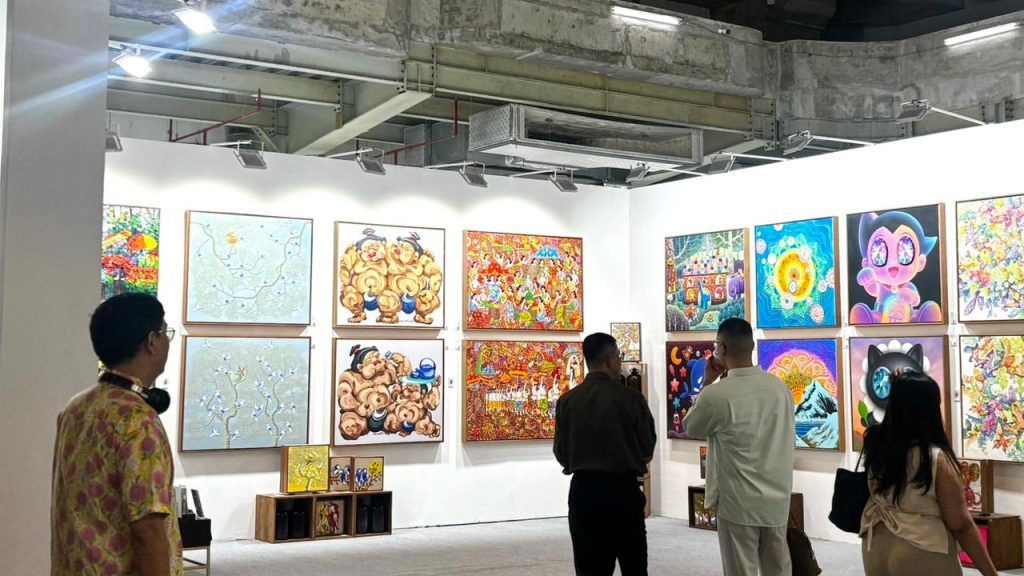

This June, Jakarta once again takes center stage in Southeast Asia’s cultural calendar as ArtMoments Jakarta 2026 returns with its most thoughtful edition to date. Held at Agora Ballroom from 4–7 June, the fair gathers more than 70 galleries, artists, and exhibitors from across the region, transforming the Indonesian capital into a vibrant meeting point for contemporary art, conversation, and cultural exchange.
At the heart of this year’s edition is the theme Offerings—a curatorial proposition that invites audiences to view art not merely as an object to be collected, but as an act of sharing. Ideas, emotions, histories, and perspectives converge in a space designed to foster dialogue between artists, collectors, curators, and the wider public.
PR 4.0: Mengelola Persepsi di Era Digital
Opening Ceremony
In an age increasingly shaped by digital interactions and fleeting attention spans, the notion feels particularly resonant. ArtMoments Jakarta proposes a slower, more meaningful encounter—one that values presence, reflection, and human connection.
Dari Redaksi ke Algoritma: Pertempuran Bisnis Media di Era Digital
The opening preview welcomed collectors, patrons, creatives, and cultural figures into an atmosphere that felt less like a conventional art fair and more like a gathering of minds. Amid carefully curated presentations and thought-provoking works, guests were immersed in narratives that stretched across generations and geographies.

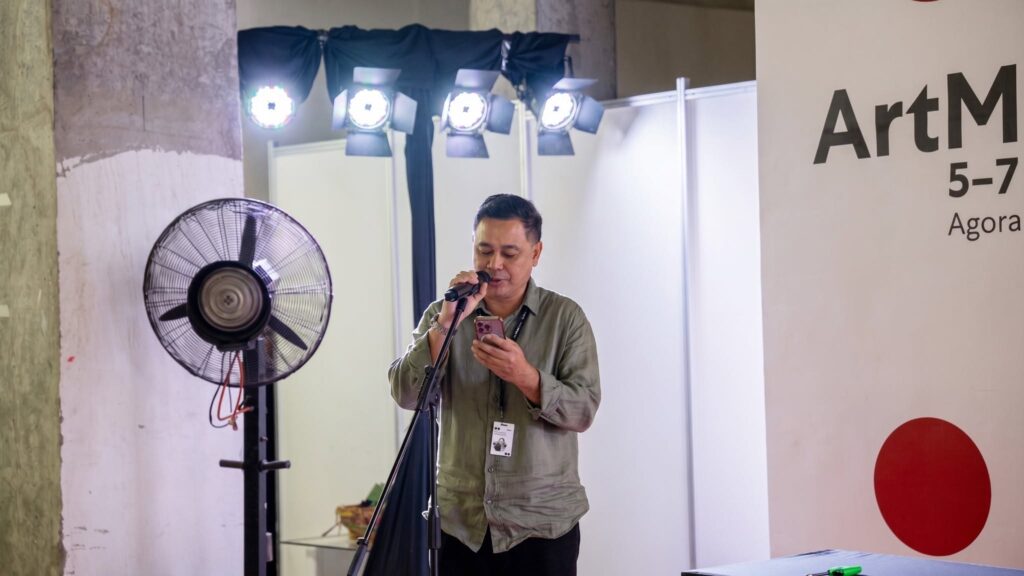
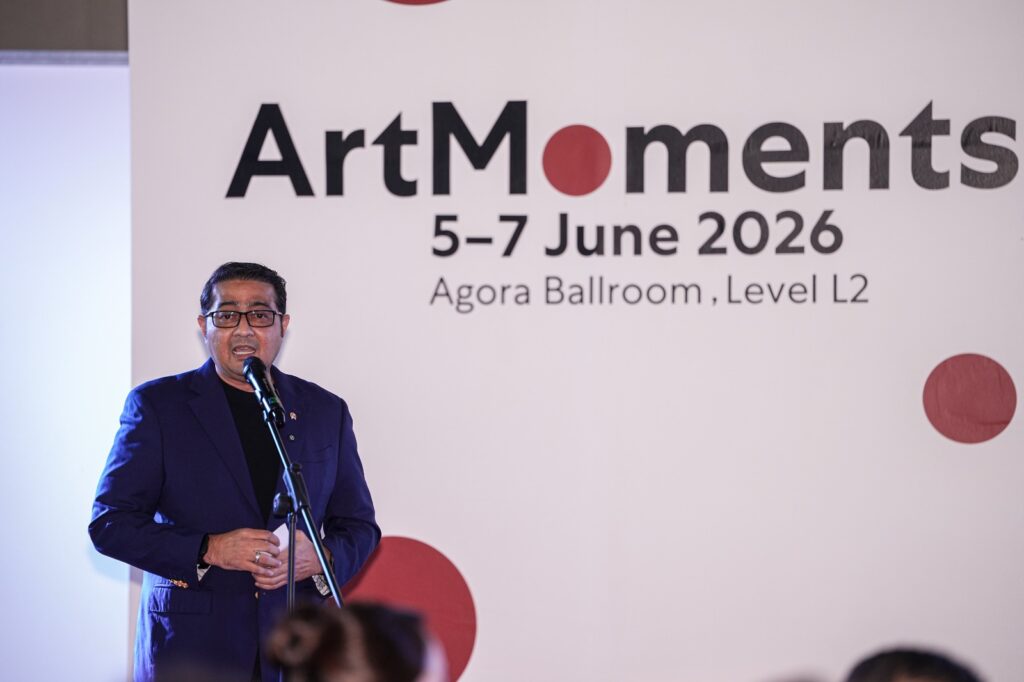
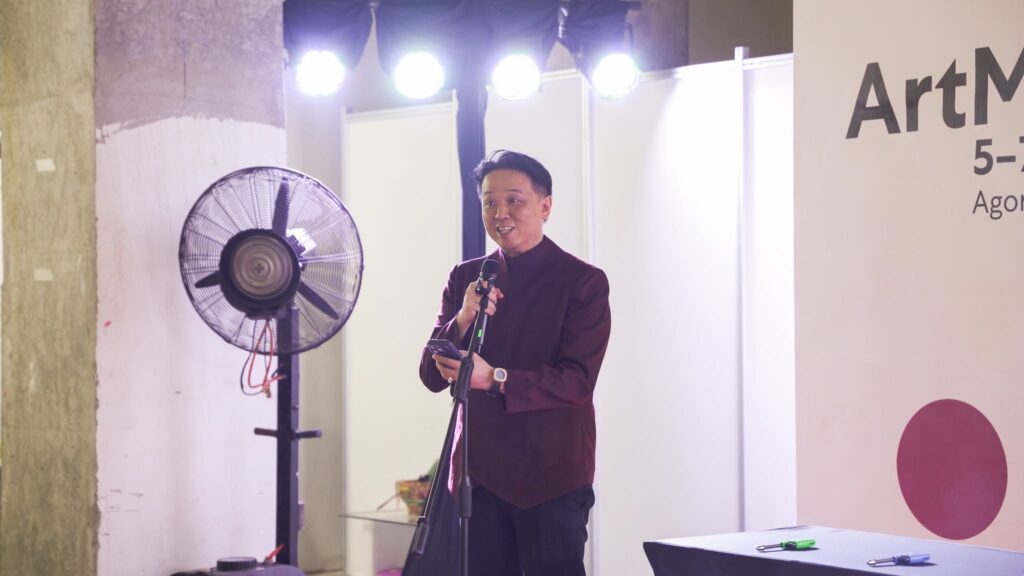
A defining moment of the evening came through Sajja, a contemplative performance by artist Henri Affandi. Reimagining artistic creation as an offering to the land and to collective memory, the work reflected the spirit of this year’s theme with quiet power and poetic sensitivity.
Playbook: Strategi Bisnis Konglomerat yang Tak Diajarkan di Sekolah Formal
PakarPBN
A Private Blog Network (PBN) is a collection of websites that are controlled by a single individual or organization and used primarily to build backlinks to a “money site” in order to influence its ranking in search engines such as Google. The core idea behind a PBN is based on the importance of backlinks in Google’s ranking algorithm. Since Google views backlinks as signals of authority and trust, some website owners attempt to artificially create these signals through a controlled network of sites.
In a typical PBN setup, the owner acquires expired or aged domains that already have existing authority, backlinks, and history. These domains are rebuilt with new content and hosted separately, often using different IP addresses, hosting providers, themes, and ownership details to make them appear unrelated. Within the content published on these sites, links are strategically placed that point to the main website the owner wants to rank higher. By doing this, the owner attempts to pass link equity (also known as “link juice”) from the PBN sites to the target website.
The purpose of a PBN is to give the impression that the target website is naturally earning links from multiple independent sources. If done effectively, this can temporarily improve keyword rankings, increase organic visibility, and drive more traffic from search results.